
Betting on the Classroom: Rahm Emanuel’s New Gamble on Education Funding
Rahm Emanuel has never been one to shy away from a bold fiscal maneuver. Whether he was navigating the shark-infested waters of the West Wing or steering the ship of state in Chicago, his approach to policy has always been characterized by a certain aggressive pragmatism. His latest focus turns to the booming world of digital betting, where he sees a golden opportunity to fill public schools' coffers.
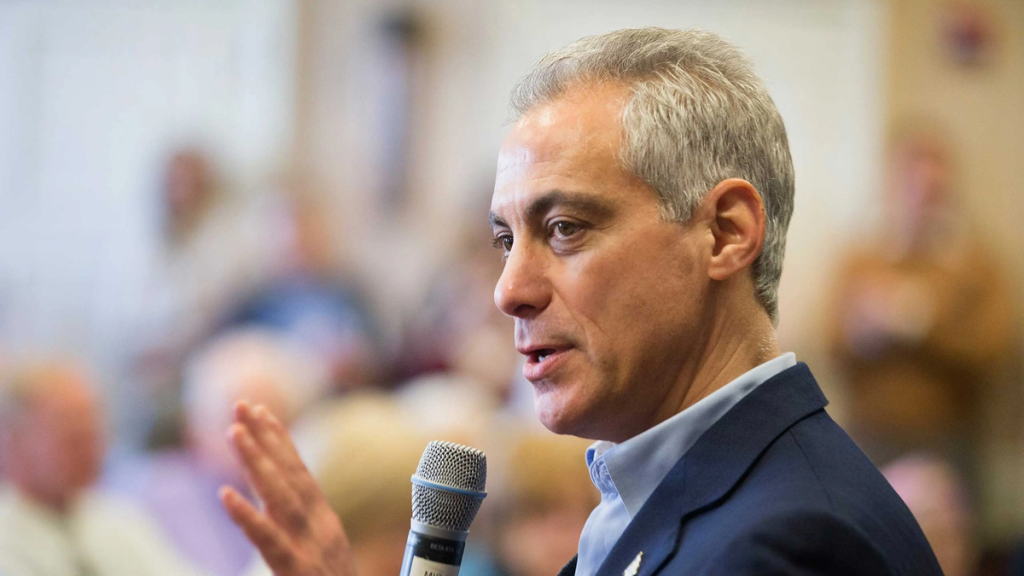
The core of his argument is simple: if people are going to spend billions on sportsbooks and digital casinos, the public should see a tangible return on that activity. By targeting the virtual felt, Emanuel aims to capture a slice of a market that has grown exponentially since the Supreme Court opened the floodgates for legal wagering. It is a classic "sin tax" strategy, repositioned for the smartphone era.
Taxing the Digital House to Build Better Schools
The centerpiece of this initiative is a direct levy on the gross revenue of online gaming operators. This 10% tax would be earmarked specifically for educational initiatives, ranging from early childhood programs to much-needed infrastructure repairs in aging school buildings. For many cash-strapped districts, this represents a potential windfall that doesn't require raising property taxes on weary homeowners.
It is worth noting the timing and context of this shift in focus. This specific former Chicago mayor proposes 10% tax on online gambling to fund education - the tax proposal comes after Emanuel previously called for a ban on federal employees at all levels from participating in prediction markets. This dual-track approach suggests a desire to professionalize the industry while simultaneously harvesting its profits for the common good.
While some argue that high taxes could drive bettors back to illegal, offshore sites, proponents believe the convenience of legal apps is worth the extra cost. To help visualize the potential scale, consider how these funds might be distributed across a typical urban district:
| Program Area | Estimated Allocation | Potential Impact |
|---|---|---|
| STEM Resources | 30% | New laboratories and coding kits |
| Teacher Retention | 40% | Performance bonuses and loan forgiveness |
| Facility Repairs | 30% | HVAC upgrades and roof replacements |
A shift from restriction to revenue
Emanuel’s previous stance on prediction markets focused heavily on integrity and the prevention of insider trading among government officials. He argued that those with "inside baseball" knowledge of policy should not be allowed to profit from those insights. This new tax proposal doesn't necessarily contradict that view; rather, it pivots from regulating the players to regulating the platform itself.
I recall my time living in the Midwest when the first riverboat casinos launched; the promise was always that the money would save the schools. Sometimes those promises fell flat because the funds were diverted into general slush funds. Emanuel’s proposal tries to avoid that pitfall by creating a direct, transparent pipeline from the betting app to the classroom desk.
Critics of the plan worry that relying on gambling revenue is a volatile way to fund a cornerstone of society like education. If betting handles drop, or if the market reaches a saturation point, the funding could fluctuate wildly year over year. Despite these concerns, the sheer volume of current online activity makes it an incredibly tempting target for any policy maker looking for a quick infusion of capital.
The road to implementation will likely be paved with heavy lobbying from the gaming industry, which traditionally fights any increase in the cost of doing business. However, linking the "vice" of gambling to the "virtue" of education is a potent political narrative. It forces opponents to argue against school funding, which is a difficult position to hold in any election cycle.