
Slovakia's President Blocks Gambling Reform
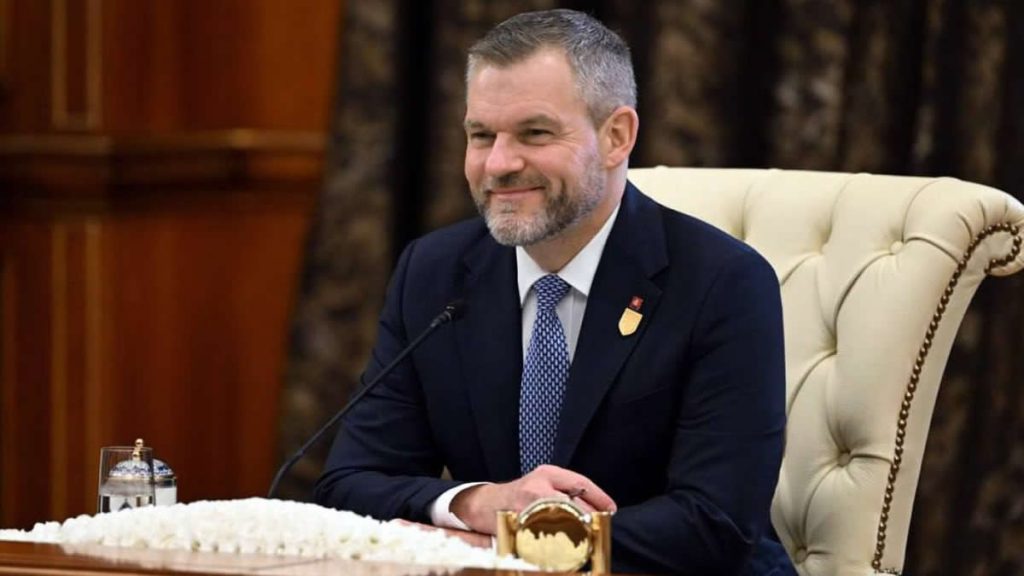
Slovak President Peter Pellegrini just vetoed a new gambling bill. He’s worried the consumer protections are too weak. Lawmakers wanted to open up the online gambling market. They aimed for more operators and tighter rules. But Pellegrini sent it back for fixes. His team says the bill skips key safeguards against gambling harms. Modernization is fine, but social risks come first. Critics point to weak ad limits and inadequate protections for minors. Industry folks see this as part of Europe’s push for balanced markets.
Still, Slovakia debates how to blend competition with welfare. The veto also highlights procedural flaws. Amendments slipped in without real talks. Now, Parliament might override with a majority vote. If they do, changes hit in 2026. This could reshape online betting here. New firms might enter the scene. Either way, tensions simmer between growth and safety in Central Europe.
Key Concerns Behind the Veto
Pellegrini flags big issues with the bill’s setup. It plans to open licensing for casinos and bets. Domestic and foreign companies could apply easily. The law boosts tax collections and regulatory powers. But it lacks strong harm prevention tools. Vulnerable folks and kids need better shields. Neighbors like the Czech Republic updated its laws smartly. They balance markets and public health well. Slovakia’s critics push for clearer ad rules.
However, supporters eye economic gains from new operators. Above all, the President wants thorough debates on changes. Procedural shortcuts worry him most. Either way, the Office for Gambling Regulation gains more oversight. Yet, without fixes, social impacts could spike. Lawmakers now weigh options carefully. An override needs solid support. Otherwise, the bill stalls. This highlights ongoing regional shifts in gambling policies.
Future Impacts on Slovakia's Gambling Scene
Parliament holds the next move on this vetoed bill. They can push it through anyway. If successful, 2026 brings a revamped market. More competition might boost revenues. On the flip side, without safeguards, problems like addiction could rise. Still and all, Europe trends toward liberal yet responsible gambling. Poland’s recent tweaks show this path. In contrast, Slovakia hesitates on full openness. Industry watchers predict heated debates.
After all, balancing the economy and society tests leaders. But Pellegrini stands firm on protections. His action sparks wider talks on regulation. Either way, players await clearer rules for online bets. This veto underscores Central Europe’s policy tug-of-war. Competition grows, but welfare priorities persist. Lawmakers must address concerns head-on. Only then can reforms succeed without backlash.