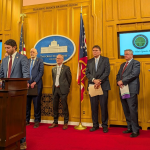
Missouri may become the next state to challenge prediction market operators. The debate centres on sports event contracts and state gambling law.
Attorney General Catherine Hanaway says her office is preparing cease-and-desist action against companies that operate in Missouri. She has not filed a lawsuit yet. However, she says the state will take that step if talks do not resolve the dispute.
What Missouri says it is preparing
Hanaway argues that sports event contracts function like online bets under Missouri law. She does not accept a different label or fee structure as a reason to treat them differently.
Her office wants companies to follow Missouri gaming rules. It also wants them to pay gambling taxes if they serve customers in the state. As a result, the dispute could test how far state authority reaches in this fast-growing market.
Issues at the centre of the dispute
Whether sports event contracts meet Missouri’s definition of gambling
Consumer safeguards, including age checks and market integrity controls
State licensing, tax obligations and enforcement powers
Hanaway also raised questions about age verification and possible insider trading. In particular, she wants companies to show how they protect consumers when they offer sports-related contracts.
Why the dispute goes beyond Missouri
Prediction markets sit between federal derivatives rules and state gambling laws. The Commodity Futures Trading Commission regulates designated contract markets. At the same time, several state officials argue that sports event contracts should also meet local gambling rules.
That split has produced lawsuits, injunction requests and settlement discussions in several states. Missouri would add another important test case. Meanwhile, companies may argue that federal regulation limits what states can do.
Federal registration does not end the debate
Federal registration gives an operator a defined framework. It does not automatically settle every state-law question. Courts will continue to examine how federal rules interact with local gambling statutes.
Missouri’s position focuses on practical effects for users. The state says a sports outcome contract can still look like a wager, even when a platform uses a different structure. Therefore, the fight will likely turn on both legal definitions and consumer-protection evidence.
What operators could face next
The attorney general said her office remains open to a settlement. A deal could require changes to operations, state compliance steps or tax payments. However, the details would depend on negotiations and state law.
If the parties cannot agree, Missouri could file suit. Operators could then ask a federal court to block the state’s action. That path could delay a final answer and add to the wider national dispute.
What to watch
The immediate question is whether Missouri sends formal notices and which companies receive them. The next question is whether any company reaches an agreement with the state. For customers, the outcome may shape which services remain available and what safeguards those services must provide.
This is still a developing regulatory story. Missouri has signalled its direction, but no court has decided the issue. The state’s next move will show whether the disagreement heads toward a negotiated outcome or a new legal challenge.