
Luxembourg Eyes a State Monopoly on Online Gambling
Luxembourg is seriously mulling over a big shake-up in its gambling scene, with the government eyeing a state-controlled monopoly for online gambling and sports betting. Justice Minister Elisabeth Margue just confirmed that talks are happening across agencies to figure out the next steps—and just how bold they’ll get—if this idea takes off.
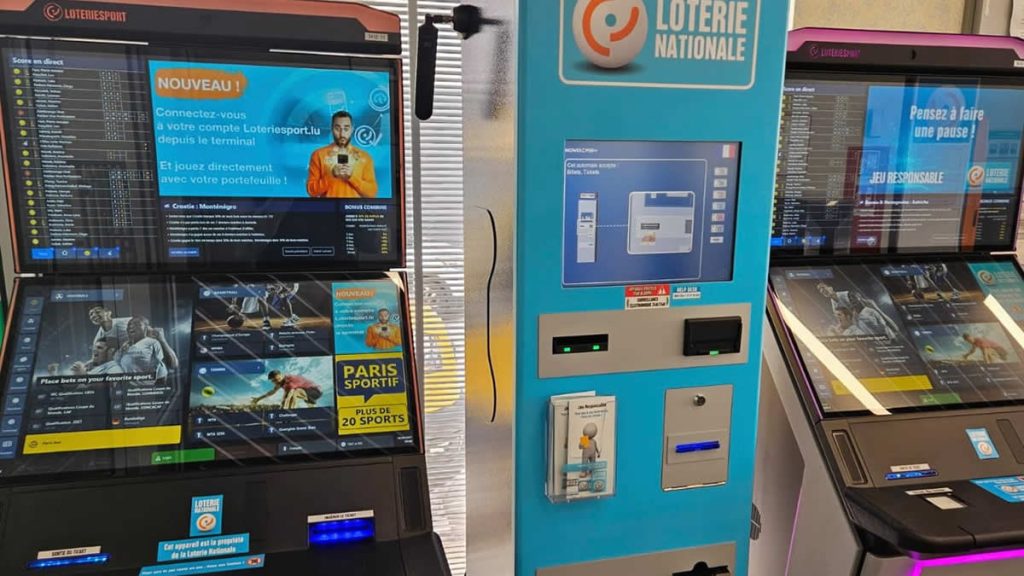
This push stems from real worries about player protection and the surge of gaming machines popping up in neighborhood cafés. Margue stressed that any monopoly has to play nice with European case law, which only green-lights state control if it truly shields citizens. In the end, it’s a thoughtful stance, weighing tougher rules against keeping things socially responsible.
Player Protection and Gambling Reform Efforts
Moreover, officials are rolling out changes to green-light National Lottery gaming terminals while kicking private ones to the curb, all to tighten central control. Health Minister Martine Deprez pointed to Luxembourg’s solid tie-up with the Center for Excessive Behavior and Behavioral Addictions (ZEV), which is front and center in fighting problem gambling. Nevertheless, the folks seeking help for gambling woes have almost tripled since 2020—from 35 to 100.
To step up, ZEV’s budget jumped from €220,000 to €560,000 for better prevention and treatment programs. Nonetheless, going with a monopoly would buck the broader European trend toward open licensing systems, where letting competitors duke it out is seen as the smarter way to boost consumer protection and spark innovation.
The Current State of Luxembourg’s Gambling Market
Even with a few homegrown operators, Luxembourg’s online gambling market stays pretty lively. Locals can hop on international sites, fund their accounts, and cash out wins without any hassle. Truth is, no local law bans jumping into these games. Meanwhile, by the numbers, it’s impressive: experts predict about $447.8 million in gambling revenue by 2025, with casinos and online games pulling in around $270 million. Per-user revenue should hit $478 on average, and player counts might top one million by 2030.
To sum up, Luxembourg’s possible pivot to a state-run online gambling monopoly could flip the script on how people play—while juggling freedom, responsibility, and fiscal opportunity in this fast-changing digital gaming world.