
StopSpillet's Award: What Denmark's Campaign Numbers Actually Count
A rise in helpline enquiries helped Denmark's StopSpillet campaign win an international award, but its headline figures measure several different things. The Danish Gambling Authority's November 2 account combines reported actions, calls and digital impressions. Reading them separately gives a clearer picture of what the campaign achieved and what remains unmeasured.
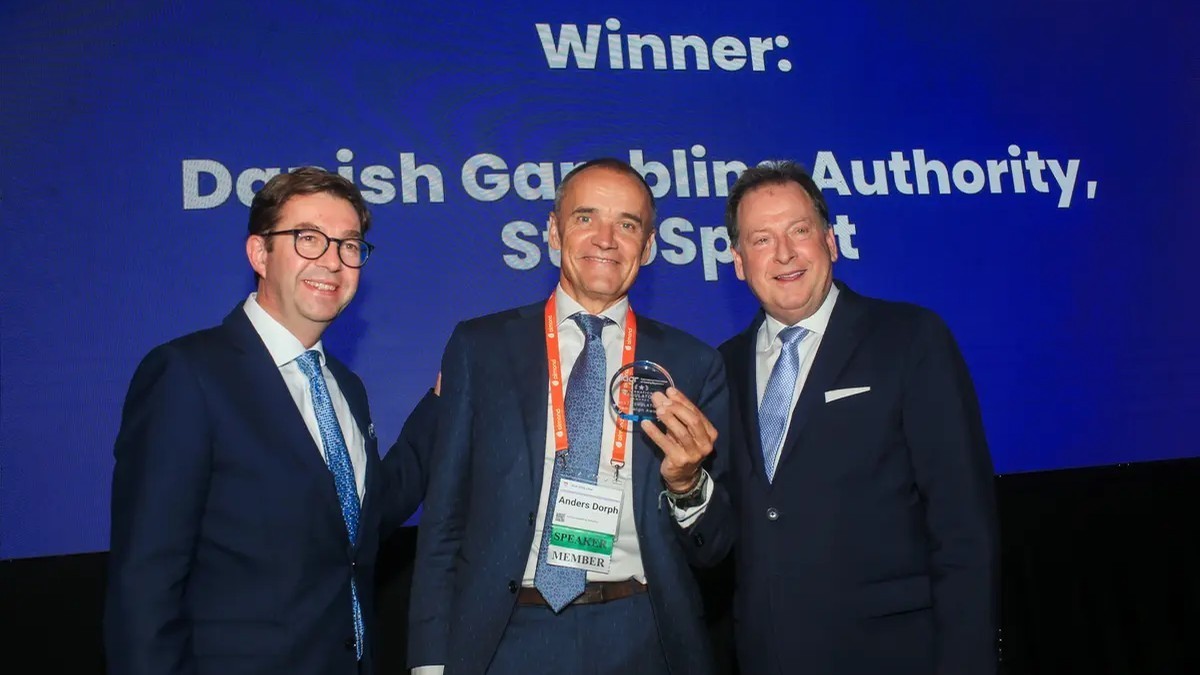
The award was presented at the International Association of Gaming Regulators conference in Lima, Peru. It recognised a responsible-gambling initiative or communications campaign. The authority says a unanimous jury selected StopSpillet's campaign, making this its third consecutive annual win across different initiatives.
The calls belong to October 2025
The campaign launched in autumn 2025. According to the authority, StopSpillet received 108 calls that October, its highest monthly total since the helpline began in 2019. Enquiries rose by between 50% and 63% during the campaign period compared with the corresponding period a year earlier.
Those are historical campaign results reported in November 2026. They should not be read as 108 calls last month. Nor does a call count establish how many separate people contacted the service, completed treatment or stopped gambling. The announcement supplies no individual recovery outcomes.
Its reported action figures use another denominator. Seven per cent of people who saw the campaign took a concrete action, which could include contacting StopSpillet or encouraging someone else to seek help. Among men in the target audience, one in ten took an active step towards seeking help. Those groups and descriptions should stay attached to their percentages.
Reach is broader than contact
The authority reports 57.4 million digital impressions and almost 25,000 clicks to campaign content. Impressions count exposure opportunities; they are not a tally of distinct people seeking support. Clicks, reported action and helpline enquiries describe progressively different interactions with the campaign.
This is why the largest figure is not necessarily the most useful one for judging access to help. The call and enquiry figures address contact with the service, while the action figures include steps that may have happened elsewhere. Neither measure can be substituted for the other.
Our UK open-banking study report makes a related point about gambling evidence: keep a finding tied to the group and activity that researchers actually measured. The Danish campaign figures concern communications and help-seeking, rather than the size of a gambling market.
Why the campaign addressed families
The authority says men aged 30 to 40 can wait up to two and a half years between recognising a gambling problem and seeking help. Its campaign placed the family at the centre of the story and used films, social platforms, podcasts, radio, Reddit and a partnership with Denmark's League Association.
StopSpillet is a free, confidential and anonymous national helpline for people experiencing gambling problems and their relatives. A relative does not have to wait for the person gambling to make the first enquiry. That practical point survives the publicity around the award: the service is intended for both groups, while the published campaign numbers describe how people responded to the invitation to seek support.