
Britain’s Youth Gambling Survey Counts Much More Than Age-Restricted Play
In the Gambling Commission’s November 12 release, 26% of 11- to 17-year-olds reported spending their own money on gambling during the past year. The share reporting that they spent their own money on age-restricted products was 5%. Both percentages refer to 11- to 17-year-olds in the survey. Treating the second number as 5% of the first group would shrink the estimate before you had even looked at what the pupils were asked.
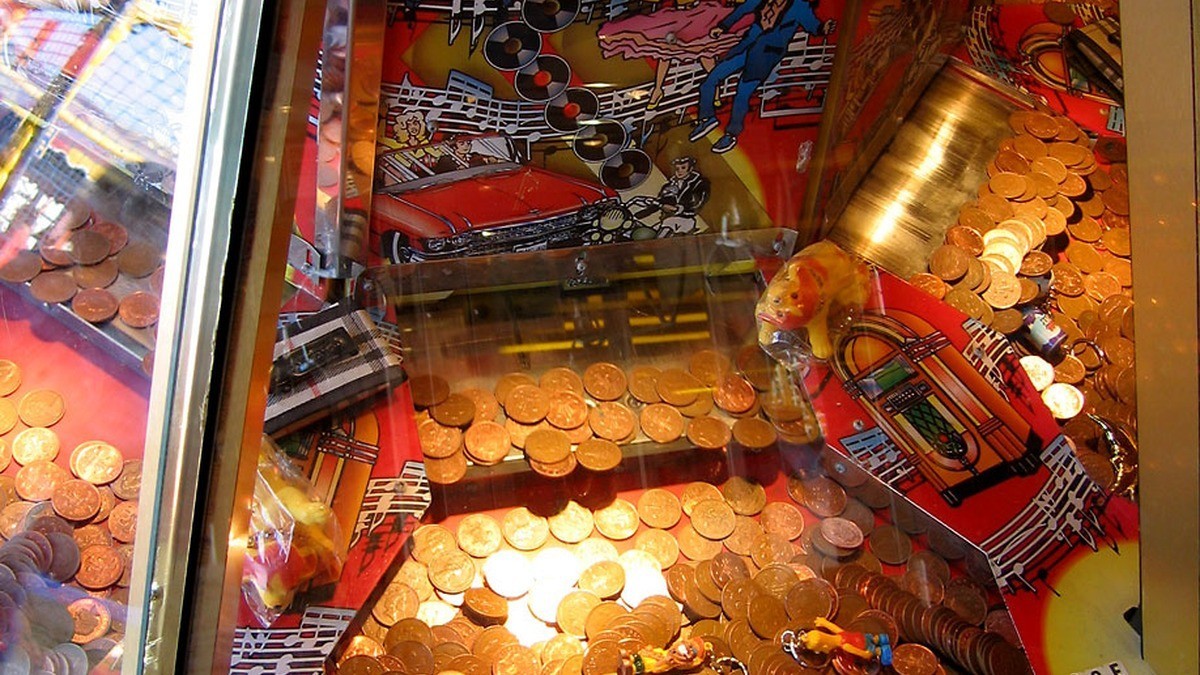

An arcade machine can count
The word gambling in the wider measure includes some activities young people can legally take part in. The Commission highlighted penny pushers and claw machines, with 19% reporting play of that kind. It also listed bets with friends or family at 11%, and playing cards for money with friends or family at 5%. These examples show why the headline figure cannot be read as an estimate of children playing in online casinos. They are categories of activity, and a pupil can report more than one.
For bookmakers and online casinos, the Commission draws attention to the protections operators must have to keep children away from age-restricted products. The 5% survey figure covers the restricted group of products as a whole. The announcement does not turn it into a figure for a particular website, operator or product. For a parallel example of how choosing a denominator changes the meaning of a headline, see CasinoPost’s guide to Britain’s illegal gambling survey.
Participation and harm have different measures
The regulator reports two declines from 2022 to 2026. The share who had experienced gambling in the previous 12 months went from 50% to 45%. The share who said they spent their own money went from 31% to 26%. Both comparisons cover the same years, but the questions are different. Keep the two pairs together when comparing the published trends.
The Commission also reports that 0.9% met its survey threshold for problem gambling compared with 1.2% a year before, a difference it says was not statistically significant. The screening questions ask about reported behaviours and effects, such as using money meant for meals. They do not provide a clinical diagnosis.
What the results can tell us
Ipsos carried out the research for the Commission. The 2026 report draws on 3,867 pupils who answered an online questionnaire at schools in England, Scotland and Wales. The figures describe what pupils reported. The release makes clear that these answers were not independently verified records of transactions.
If you are citing the report for a discussion about age checks, start with the measure for age-restricted products and carry its age group and time period with it. The broader 26% figure still has a place. It describes the range of activities for which young people said they used their own money, including the familiar arcade machines that can disappear from view when the numbers are shortened to a headline.